
Are you tired of choosing between the rock-hard durability of traditional enhancements and the health of your natural nails? Many salon-goers struggle with brittle, damaged nails after years of acrylic use but fear that softer gels won’t provide the strength they need. This deep dive compares biab vs acrylic nails to help you decide which chemistry suits your lifestyle, budget, and long-term nail health goals in 2026.
In fact, the beauty industry has shifted dramatically toward “naked-look” strength over the last few years. Specifically, the rise of “Builder in a Bottle” has challenged the long-standing reign of acrylic powders. Therefore, understanding the molecular differences between these two powerhouses is essential for anyone wanting a perfect manicure that lasts.
1. Understanding the Chemistry: What is BIAB Nails vs. Acrylic?
To truly understand what is biab nails, we must look at the bottle itself. BIAB, which stands for Builder in a Bottle, is a high-viscosity soak-off builder gel designed to add strength to the natural nail. Unlike standard gel polish, it has a thicker consistency that allows technicians to create a structured “apex” on the nail surface.
Furthermore, BIAB belongs to the oligomer family, meaning its molecular chains are already partially linked. When placed under a UV or LED lamp, these chains fully cross-link to create a flexible yet tough coating. Notably, this flexibility is what prevents the product from snapping when your nail accidentally hits a hard surface.
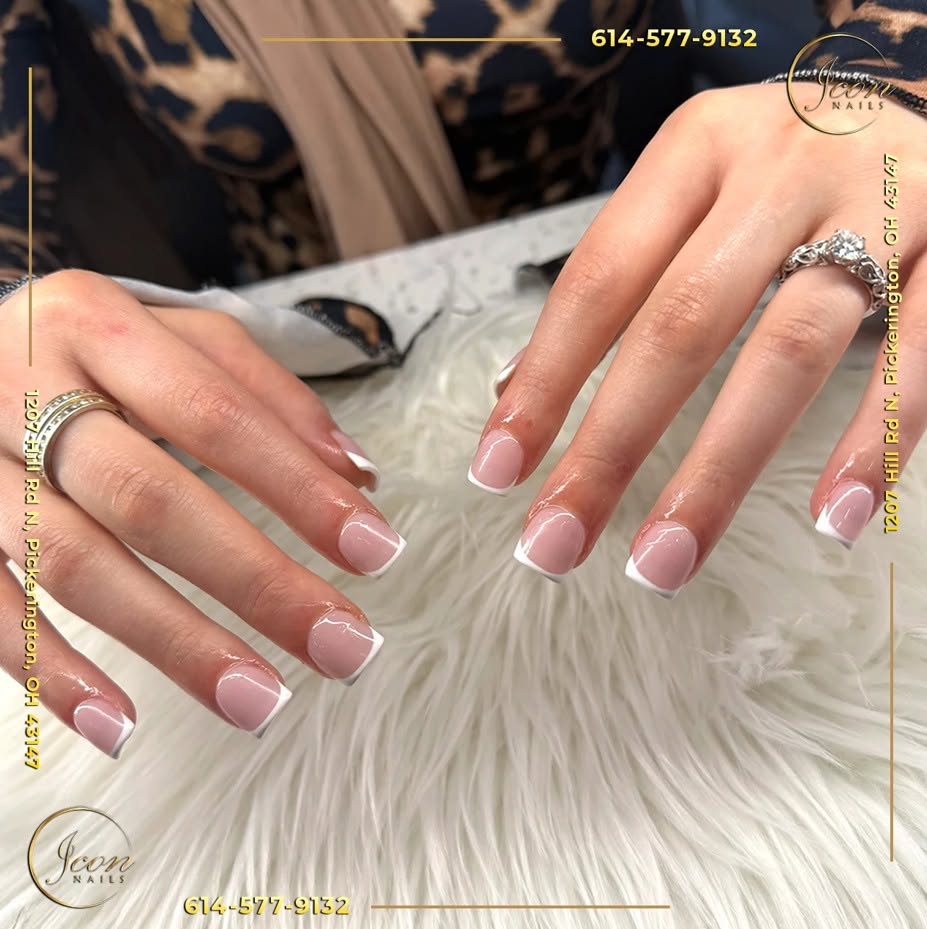
The Science of Acrylics
On the other hand, the science of acrylics relies on a two-part system involving a monomer liquid and a polymer powder. When the brush dips into the liquid and then the powder, a chemical reaction begins immediately. As a result, the technician has a limited window to mold the “bead” before it hardens through air-drying.
Specifically, acrylics create a very dense, rigid molecular structure. While this provides incredible hardness, it lacks the “give” found in modern gel systems. Historically, this rigidity made acrylics the gold standard for extra-long extensions, though it often came at the cost of natural nail breathability.
The Hybrid Nature of Builder Gel
Many experts consider BIAB a ‘hybrid’ between traditional hard gel and standard gel polish. It offers the strength of a hard gel but retains the convenience of being a soak-off product. Consequently, it has become the go-to biab nail treatment for those who want to transition away from heavy enhancements.
Moreover, the 2026 formulations of BIAB often include strengthening nutrients like keratin or biotin. These additives aim to support the nail plate while the product is worn. Meanwhile, acrylics remain purely functional, focusing on external structure rather than internal nail nourishment.
2. The Application Process: Builder Gel vs Acrylic Techniques
The application of builder gel vs acrylic involves two very different sets of skills and tools. For a BIAB service, the process begins with meticulous dry manicure prep to ensure the surface is free of oils. Afterward, a thin base layer is applied and cured under a specialized LED lamp to create a foundation.
Next, the technician applies a larger “bead” of the thick gel to the center of the nail. Using a fine liner brush, they guide the self-leveling gel toward the edges to build an apex. Because the product only hardens under UV light, the technician can take their time to achieve a perfectly smooth finish before curing.
The Traditional Acrylic Ritual
In contrast, the acrylic ritual is a race against time. Technicians must master the perfect ratio of liquid to powder to ensure the bead isn’t too wet or too dry. Once applied, the material begins to polymerize and harden in the open air, requiring swift, precise brush strokes to shape the nail.
Additionally, acrylics usually require significant manual or electronic filing to smooth out the surface. Since the product doesn’t self-level like BIAB, the “finish filing” stage is often the longest part of the appointment. This process can be noisy and produces a fine dust that requires high-quality salon ventilation.
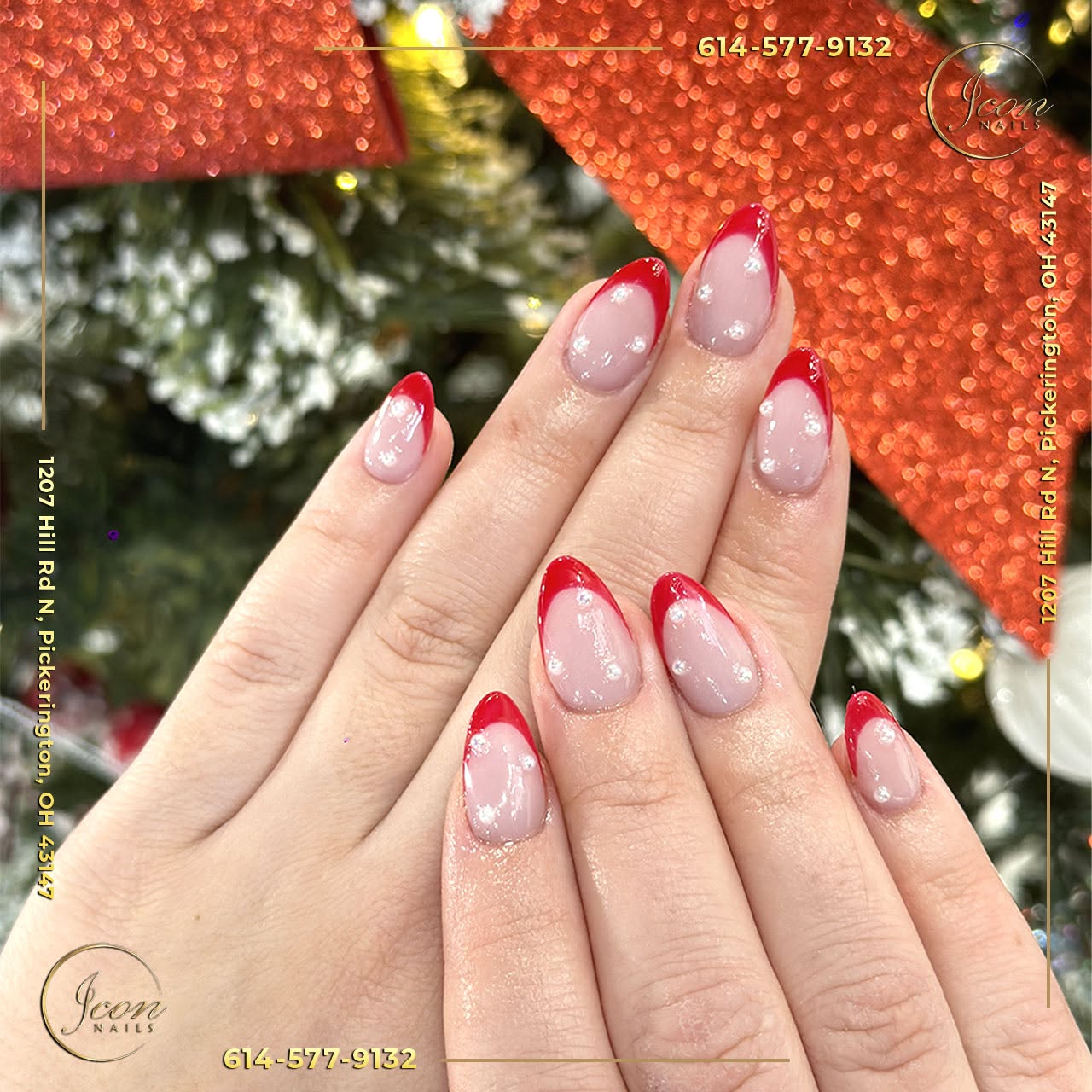
Odor and Environment in 2026
One of the most significant biab nail treatment pros and cons involves the salon environment. BIAB is virtually odorless, making it ideal for modern, low-VOC (Volatile Organic Compounds) boutique salons. In fact, many high-end spas in 2026 have moved away from acrylics specifically to improve air quality for clients and staff.
Furthermore, the time spent in the chair differs between the two. A BIAB overlay usually takes about 45 to 60 minutes, as it skips the heavy filing stage. However, a full set of acrylic extensions with intricate shapes can easily take 90 minutes or more, depending on the complexity of the design.
3. BIAB vs Acrylic Nails: Durability, Longevity, and Lifestyle
When comparing biab vs acrylic nails, longevity is often the deciding factor for busy professionals. Generally, BIAB lasts between 2 to 4 weeks depending on how quickly your natural nails grow. Because the gel is flexible, it moves with your natural nail, which significantly reduces the risk of lifting at the edges.
Acrylics, however, are famous for their “rock-hard” durability, often lasting 3 to 5 weeks between refills. Therefore, they are frequently preferred by individuals with high-activity lifestyles or those who work extensively with their hands. Nevertheless, the rigidity of acrylic means that if it does catch on something, it is more likely to cause a painful break of the natural nail underneath.
The ‘Snap Factor’ and Pressure
Specifically, the “Snap Factor” refers to how the material reacts under sudden pressure. BIAB tends to bend slightly, absorbing the shock of an impact. On the other hand, acrylic is more likely to crack or “snap” because it cannot flex. As a result, BIAB users often report fewer “nail emergencies” involving painful tears in the nail bed.
Notably, the 2026 maintenance schedule for both types suggests a “fill-in” every 3 weeks. For BIAB, this involves filing down the top layer and adding fresh gel to the regrowth area. For acrylics, the technician files away any lifted areas and applies a new bead of acrylic to the base of the nail.
- BIAB: Best for natural nail health and medium-length durability.
- Acrylic: Best for extreme length and maximum surface hardness.
- Maintenance: Both require professional upkeep every 21 days for optimal safety.
Ultimately, your lifestyle dictates which material wins. If you spend your days typing or gardening, the flexible “armor” of BIAB might be superior. If you require long, stiletto-shaped nails for a specific aesthetic, the structural integrity of acrylic remains hard to beat.
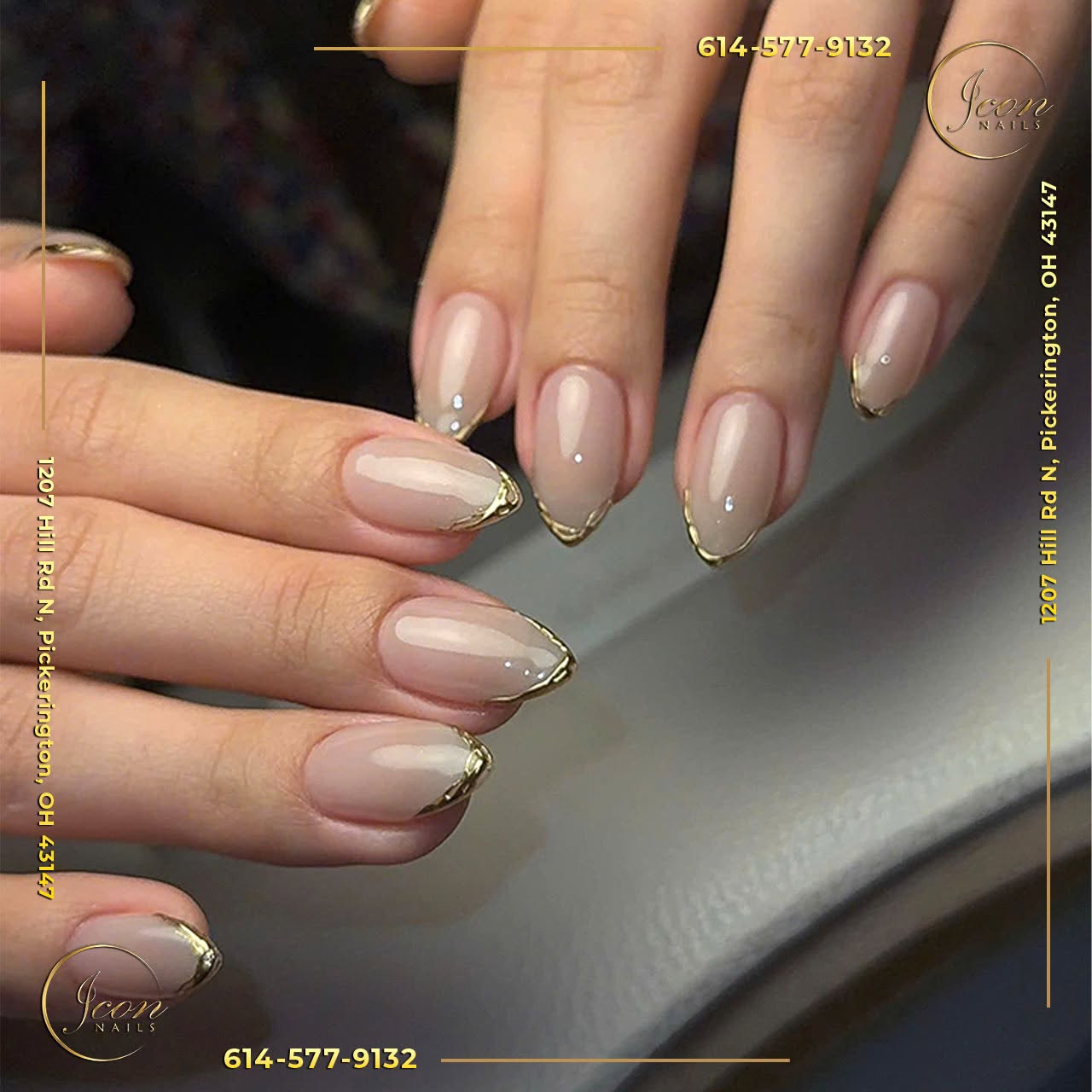
4. Nail Health and Growth: Is BIAB Better for Your Natural Nails?
The conversation around biab vs acrylic nails almost always centers on the health of the underlying nail. Many people turn to BIAB specifically because they have “weak nail” syndrome or are recovering nail biters. In fact, BIAB acts as a protective shield that prevents the natural nail from breaking as it grows out.
Moreover, the removal process for BIAB is generally gentler than that of acrylics. Since BIAB is a soak-off formula, it can be removed with acetone without the need for aggressive scraping. This preservation of the dorsal layer of the nail plate is why many dermatologists prefer gel-based strengthening systems over traditional powders.
The Impact of Heavy Acrylics
Historically, heavy acrylics have gained a bad reputation for “suffocating” the nail bed. While nails don’t actually breathe, the heavy filing required for acrylic application can thin the natural nail over time. Additionally, the strong bond of acrylic can sometimes pull at the nail plate, leading to onycholysis (separation of the nail from the bed) if not applied correctly.
Therefore, if you are looking to grow your own nails to new lengths, BIAB is often the superior choice. It provides just enough reinforcement to stop the edges from fraying while allowing the nail to remain hydrated. Specifically, the 2026 “Clean Girl” aesthetic has pushed BIAB to the forefront of the industry for this very reason.
A Recovery Roadmap for Damaged Nails
If you are currently wearing acrylics and want to switch to BIAB, the transition requires patience. Most technicians recommend a “recovery roadmap” that involves a full removal of the acrylic followed by a thin BIAB overlay. This allows the damaged parts of the nail to grow out safely while still feeling “hard” to the touch.
Furthermore, you should use cuticle oil daily during this transition. According to the American Academy of Dermatology, keeping the nail folds hydrated is crucial for healthy nail growth. By combining BIAB with proper aftercare, most clients see a total transformation in their nail strength within three to four months.
Pros and Cons for Nail Biters
For nail biters, the biab nail treatment pros and cons are quite clear. The thickness of the gel makes it physically difficult to bite through the nail. However, because it is a gel, some biters may find they can “peel” it if they are determined. In these cases, the extreme hardness of acrylic might actually be a better deterrent for the first few months of growth.
5. Extensions and Aesthetics: Can You Get Length with BIAB?
A common misconception is that BIAB is only for natural nail overlays. While it is most popular for reinforcing what you already have, modern 2026 BIAB formulas allow for short to medium extensions. Technicians use paper forms to sculpt a small “free edge” that looks incredibly natural and feels lightweight.
However, if you are dreaming of “extra-long” coffin or stiletto nails, acrylic remains the undisputed king. The structural strength of the monomer-polymer bond can support lengths that would cause BIAB to sag or break. Therefore, avant-garde nail artists still rely heavily on acrylic for high-fashion editorial looks and extreme shapes.
Hard Gel vs BIAB: The Length Limit
If you want more length than BIAB can provide but hate the smell of acrylic, you might consider “hard gel.” Unlike BIAB, hard gel is non-soak-off and must be filed off entirely. It offers the clarity and shine of gel with the structural power of acrylic. Most 2026 salons offer all three options to cater to different length goals.
Specifically, BIAB is best suited for those who want their nails to look like “their nails, but better.” It creates a slim profile that doesn’t look bulky near the cuticle. Meanwhile, acrylic often has a slightly thicker appearance, which some people prefer for a more “glamorous” or “sculpted” look.
Art and Finish Trends in 2026
In terms of aesthetics, both systems are compatible with 2026’s biggest trends, such as 3D “jelly” art and chrome powders. Because BIAB has a tacky layer after curing, it is actually an excellent base for rubbing in metallic pigments. Additionally, many BIAB brands now come in a wide range of “nude” and “milky” shades, eliminating the need for a separate color coat.
- Natural Look: BIAB wins for its slim, realistic profile.
- Extreme Shapes: Acrylic is necessary for structural integrity at 2+ inches.
- 3D Art: Both work well, but BIAB’s flexibility helps prevent 3D charms from popping off.
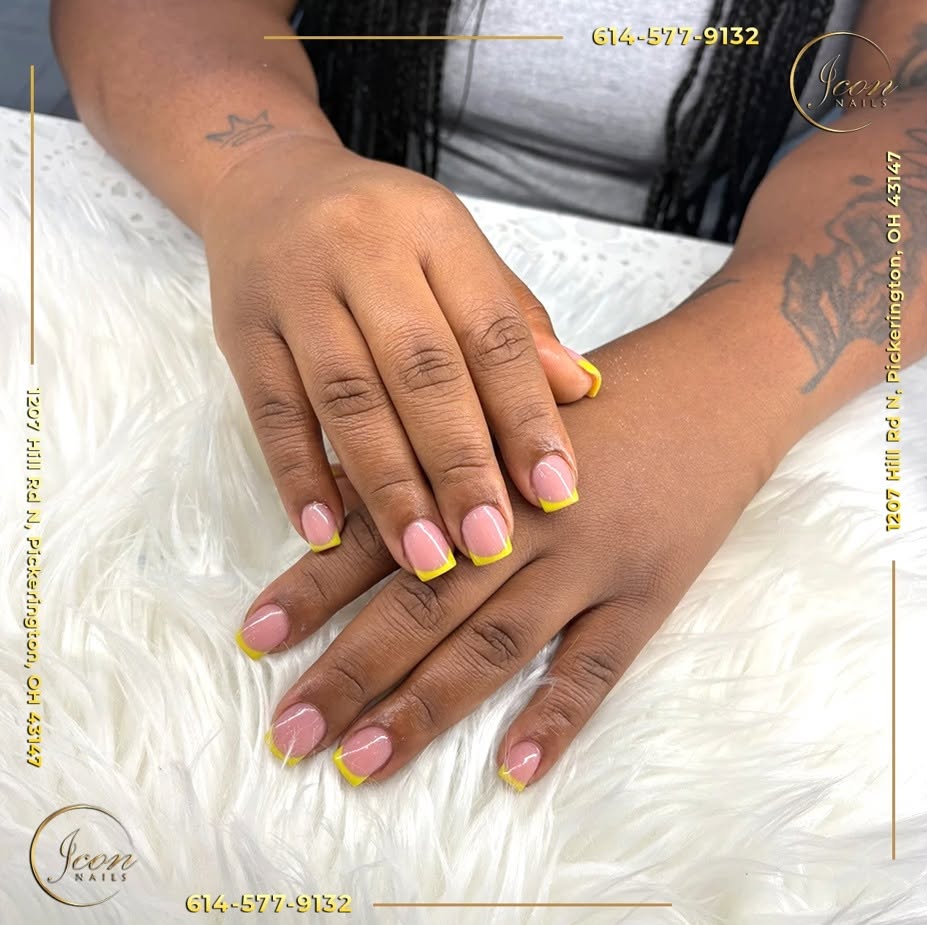
6. Removal and Cost: The 2026 Financial and Safety Breakdown
The final piece of the biab vs acrylic nails puzzle is the cost and removal process. In 2026, a full set of BIAB typically costs slightly more than a standard gel manicure but less than a full set of acrylic extensions. Specifically, you are paying for the specialized product and the skill required to build the apex.
However, the “cost per wear” of BIAB is often lower because it requires fewer repairs. Since it lifts less frequently than acrylic, you spend less money on “emergency” salon visits. Furthermore, the refill process for BIAB is often faster, which can lead to lower service fees in some metropolitan salons.
Safety of Removal
Safety is where BIAB truly shines. The ability to soak off the product in acetone means you avoid the risks associated with aggressive e-filing. While professional e-filing is safe in the hands of an expert, many DIY enthusiasts have damaged their nail beds by over-filing their own acrylics at home.
Notably, BIAB is considered much safer for home enthusiasts who have a basic understanding of UV curing. Because it is a single-component product, there is no need to worry about chemical ratios. Nevertheless, proper prep and curing are still required to avoid “gel allergies” caused by uncured product touching the skin.
Hidden Costs and Repair Kits
When budgeting for your nails, consider the hidden costs. Acrylics often require more specialized removal products and professional intervention if a nail snaps. BIAB users might invest in a high-quality cuticle oil and a gentle glass file to maintain the shape between appointments. Most 2026 beauty lovers find that the investment in BIAB pays off through significantly improved nail health over time.
Contact Icon Nails & Spa + Under New Management for the latest trendy nail designs.
Conclusion
While acrylics offer unmatched length and hardness, BIAB has emerged as the 2026 leader for those prioritizing nail health and a natural aesthetic. The choice ultimately depends on your desired length and the current state of your natural nails. If you want to grow your own nails long and strong, the flexible “armor” of a builder gel is your best bet.
On the other hand, if you love the drama of long extensions and need a material that can withstand heavy-duty wear, acrylic remains a reliable classic. Most importantly, always choose a technician who prioritizes the integrity of your natural nail plate regardless of the system they use. Ready to transform your nails? Book a BIAB consultation at your local salon today or check out our guide to the best 2026 builder gels for home use!

